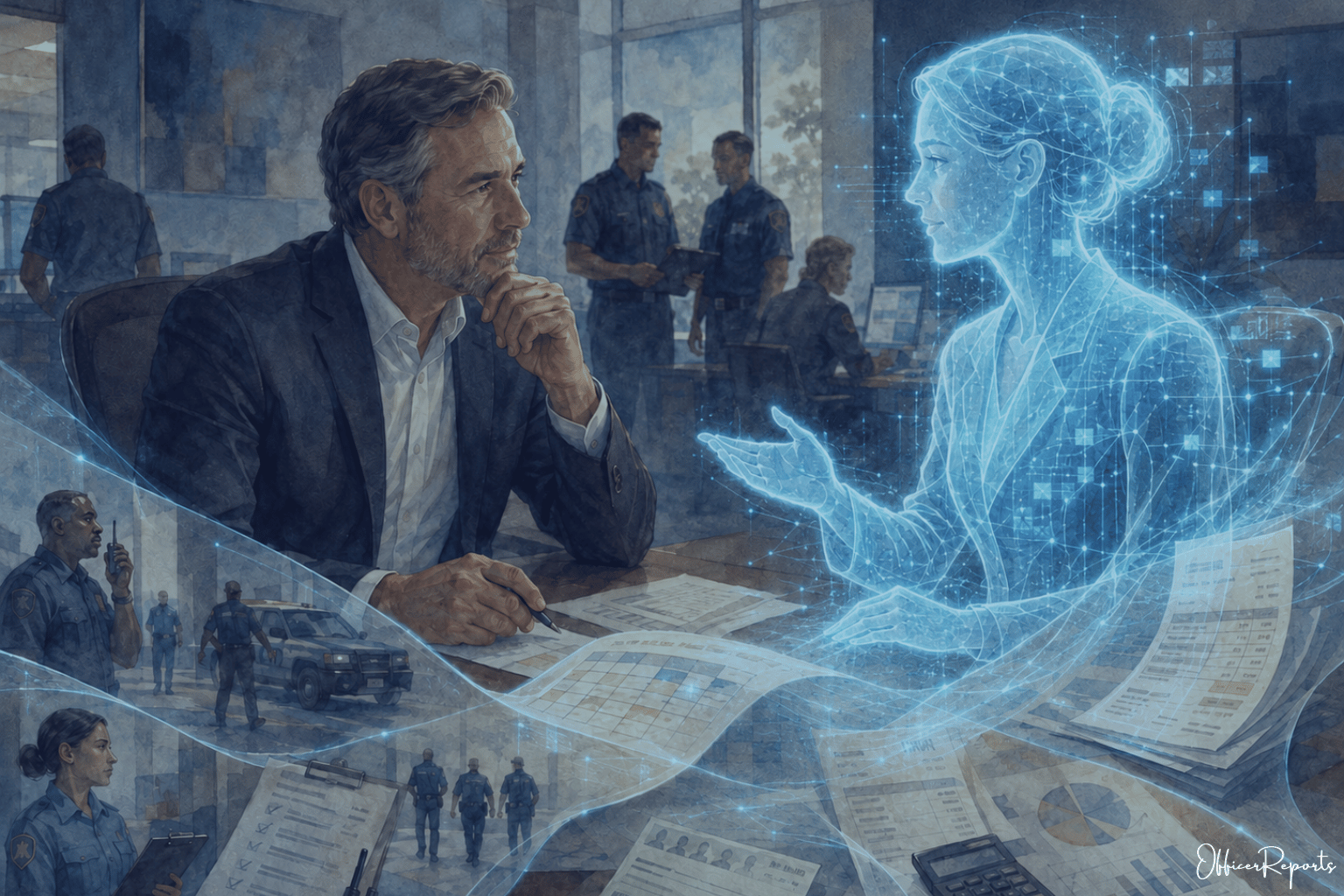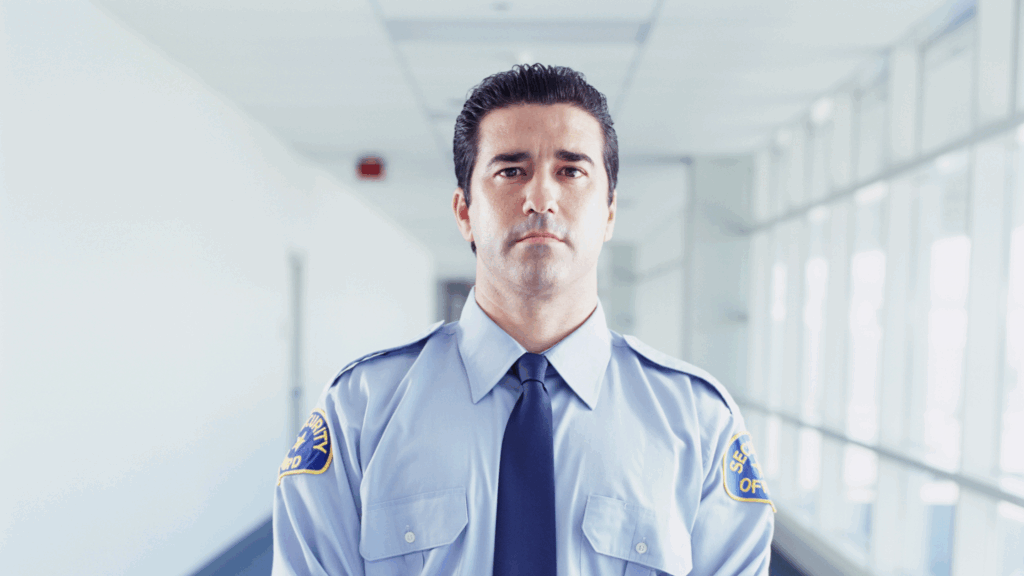
A security officer caught sleeping on duty might seem like a simple performance issue, but in reality, it’s a symptom of something deeper. Poor supervision, weak engagement, and a lack of structure all contribute to this common and costly problem.
The good news? You can turn it around. By improving field supervision and using the right tools to support your officers in real time, you can reduce the risk of fatigue, improve accountability, and strengthen both your team and your client relationships.
Why Sleeping on Duty Is a Symptom, Not the Core Problem
It’s tempting to start blaming the officer. But in some cases, a sleeping guard could be the result of a breakdown in scheduling, support, and leadership.
Even dedicated officers can struggle during long overnight shifts or slow posts, especially when they don’t receive regular check-ins or feedback. When supervisors aren’t present, either physically or virtually, officers may begin to feel disconnected, disengaged, and unsupported.
That’s why the solution starts with stronger supervision, not just stricter discipline.
Leadership Begins with Oversight
Effective supervision is about presence and structure. When officers know that someone is paying attention, checking in, and expecting updates, they’re far more likely to stay alert and on task.
Good oversight practices include:
-
Random supervisor visits to posts, especially during night shifts
-
Mid-shift check-ins through radio, phone, or secure messaging apps
-
Clearly defined expectations at the start of every shift
-
Prompt follow-up on missed reports, incomplete patrols, or performance concerns
When supervisors engage with purpose, not just to correct mistakes but to coach and support, they create a culture of accountability that motivates officers to stay alert and do their best work.
Tour Tracking and Random Check-ins: Visibility That Builds Accountability
Officers need structure to stay engaged, especially during low-activity shifts. That’s where tour tracking and regular check-ins come in. These systems provide visibility into officer performance and keep them on a consistent schedule.
Tour tracking ensures officers:
-
Move regularly throughout the site instead of staying in one spot
-
Stay accountable with timestamped patrol check-ins
-
Know their performance is being monitored and valued
-
Have a clear sense of direction during slower shifts
Supervisors can review tour data to spot issues early, like skipped checkpoints or delayed patrols, and address them with coaching or support.
Real-Time Tools That Support (Not Replace) Good Supervision
Technology is meant to make their job easier and more effective. With the right tools, you can extend your oversight across multiple posts without having to be everywhere at once.
OfficerReports offers powerful features that help keep officers alert and connected:
-
Scheduled remote check-ins for officers
-
Instant messaging for continuous communication
-
Live and historical location tracking
-
Automated alerts for missed patrols, late check-ins, or inactivity.
With these tools in place, your team can manage performance before it becomes a liability, keeping both officers and clients satisfied.

Redefining the Role of Field Supervisors
1. Build stronger team connections
Field supervisors are a critical link between leadership and your frontline officers. A study by Harvard Business Review shows that employees who go too long without interaction from their peers or leadership are more likely to disengage and look for other opportunities.
In an industry where officer turnover can reach up to 200%, using field supervisors to foster connection and support can help improve morale and retention.
2. Deliver on-the-job training
Office-based training is often not feasible, especially when those hours aren’t billable. Instead, have your field supervisors deliver quick, regular coaching on-site. It’s a more practical way to ensure your officers continue to grow and improve their skills.
3. Monitor field sentiment and client satisfaction
Supervisors are your eyes and ears. Are your officers happy? Are there signs of dissatisfaction or talk about unionizing? What are clients saying when no one from management is around?
A well-connected field supervisor can surface valuable insights that help you address small issues before they turn into major problems.
Turn supervision into leadership, and improve the overall quality of service you provide.
FAQs About Supervision to Prevent Sleeping on Duty
How can I keep officers from falling asleep during their shifts?
Focus on better scheduling, regular supervisor engagement, and real-time accountability tools like Lone Worker check-ins. These combined approaches help keep officers active and alert throughout their shifts.
Should I discipline officers who fall asleep on the job?
That depends on the context and your policies. One-time incidents may call for coaching, while repeated violations might require formal discipline. Always consider whether fatigue, poor scheduling, or weak supervision contributed to the issue.
How often should supervisors check in with officers?
Ideally, at least two to three times per shift, especially on longer or overnight assignments. These can be in person or remote check-ins via phone or messaging.
What are the best responsibilities I should assign to a field supervisor in security?
More than just checking for attendance, field supervisors should focus on connecting with officers, supporting their development, and reporting on team morale and client satisfaction. Used effectively, they become a key part of service quality and retention.