A security officer caught sleeping on the job might seem like an isolated issue, but for security companies, it can trigger a chain reaction of serious consequences. From client trust to legal liability, just one tired officer can cost far more than a full shift’s pay.
This article breaks down the real risks of officers sleeping during active duty, and why investing in prevention strategies is not just a good idea, but a business necessity.
Why It’s More Than Just a Nap
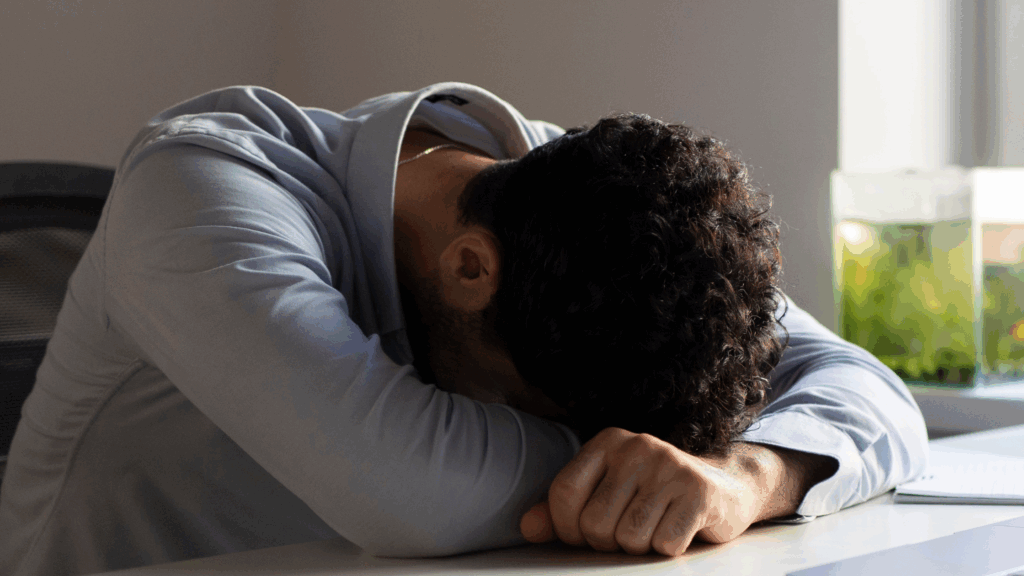
Yes, officers are human. They get tired. But when a security officer falls asleep on duty, it signals a breakdown in supervision, support, and accountability. More importantly, it undermines the very purpose of security: being present, alert, and ready to respond.
Whether it’s a shopping center, a school, or a critical infrastructure site, your clients are trusting that your officers are watching, not resting. And if something goes wrong while they’re asleep, the consequences can be severe.
Even officers with a strong work ethic may struggle during overnight or extended shifts, especially when there’s little engagement or poor scheduling. But from a client’s perspective, there’s no excuse.
The Financial Fallout of a Sleeping Guard
If your officer is caught sleeping, especially if it’s documented by a client, you’re not just facing an internal HR issue. You’re facing potential financial loss.
Here’s how that adds up:
-
Contract Termination: Clients who lose confidence in your service may cancel contracts, often with little warning.
-
Revenue Loss: Replacing even one high-value contract can take months, and lost income adds up fast.
-
Damage Control Costs: You may need to offer discounts, overtime coverage, or extra staffing to win back client trust.
-
Increased Insurance Risk: Repeated incidents or reported negligence can affect your business liability insurance premiums.
All it takes is one recorded incident shared with a property manager or on social media to damage your credibility and your bottom line.
Legal and Compliance Risks You Can’t Ignore
A sleeping officer is a bad look, and it can become a legal liability.
If an incident occurs during a shift and your officer is unresponsive due to sleeping, your company could face:
-
Negligence claims if damage, injury, or theft results from a lack of action
-
Breach of contract allegations if the officer’s failure to perform duties violates your service agreement
-
Regulatory penalties in jurisdictions where minimum patrol standards or check-in procedures are legally required
In many cases, legal action is about showing the company failed to provide proper oversight or implement reasonable safeguards.
Client Trust Is Hard to Earn, and Easy to Lose
Most security clients won’t tolerate sleeping on duty. Even one visible incident can outweigh months of good performance.
Clients expect your officers to:
-
Be alert and visible at all times
-
Patrol consistently
-
Respond quickly to incidents or alarms
-
Report events accurately and on time
When those expectations are broken, especially by something as preventable as falling asleep, clients often don’t stick around. In competitive markets, they don’t need to; they’ll move on to a competitor who promises more oversight.
The result? A reputation hit that spreads faster than you’d expect.

How to Prevent Costly Sleeping-Related Incidents Before They Happen
Preventing officers from sleeping on duty, and avoiding the fallout that comes with it, requires a proactive approach across multiple areas of your operation. Here are key actions every security company should take:
-
Implement smart scheduling to avoid fatigue from long, back-to-back, or overnight shifts
-
Train supervisors to perform regular check-ins and recognize signs of disengagement
-
Rotate posts when possible to keep officers mentally engaged during quiet hours
-
Use accountability tools like incident reports, checklists, and performance tracking
-
Leverage technology to maintain real-time oversight and communication
Software tools like OfficerReports make a difference. Its built-in tools are designed to keep officers alert, engaged, and visible:
-
Lone Worker Safety Checks
-
In-App Messaging
-
Live and Historical Location Tracking
Combining operational best practices with real-time technology gives you the control you need to catch problems early, before your client does.
FAQs About Guards Sleeping on the Job
What should I do if a client reports an officer was asleep?
Investigate immediately. Use your guard management system to check activity logs, location history, and check-in records. Address the situation with the officer and follow up with the client to explain how you’re correcting the issue.
How can I reduce the chances of guards falling asleep?
Implement fatigue-reducing scheduling strategies, rotate shift types, provide regular check-ins, and use systems like Lone Worker check-ins to keep officers engaged throughout their shift.
Can OfficerReports prove an officer was awake if there’s a dispute?
Yes. The Lone Worker check-in system, combined with real-time patrol logs and location history, can help verify that an officer was actively working during the reported timeframe. That information can protect your company in client disputes.
Is falling asleep ever grounds for termination?
It depends on your policy. Some companies treat it as a serious safety violation, especially if it compromises the client site. Others may use it as a coaching opportunity, especially if fatigue is caused by poor scheduling.