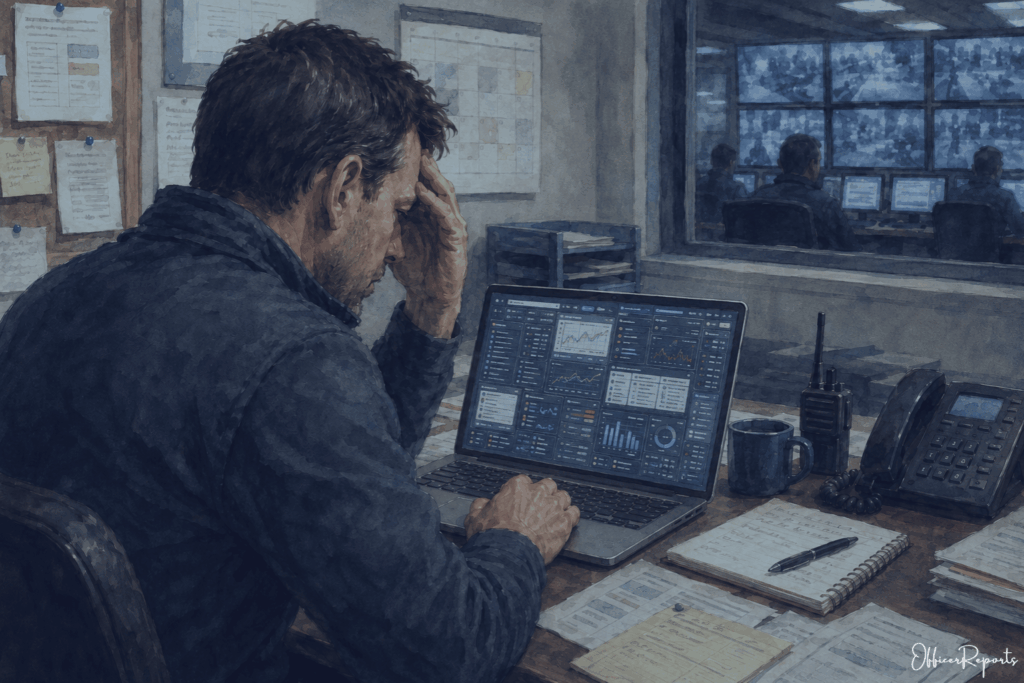
One of the most important lessons in software is also one of the easiest to forget. The lesson is that people using the product do not care how impressive the technology is if they cannot figure out how to use it, or if the software does not match how their business actually operates.
That may sound obvious, but it is something software companies lose sight of all the time. We build features. We create settings. We add options. We try to give customers flexibility. Then one day, we look at the product through the eyes of a real user and realize we may have made something powerful but not necessarily easy to adopt and use. Over the past couple of weeks, I’ve had a few conversations that reminded me just how important simplicity really is.
In one meeting, I saw how software could be configured in a way that technically worked, but was not really set up in a way that made sense for the company using it. The system may have checked the right boxes from a software perspective, but from an operations perspective, it created friction. Instead of making the job easier, the setup risked creating confusion, extra steps, and unnecessary limitations. The information that the company needed to get out of the system wasn’t easily extracted, which led to the the company having to jump through hoops to get their data.
In another meeting, I found myself looking at a piece of software and feeling genuinely befuddled about how to set it up. That was an important moment for me. I have spent over a decade in software. I understand workflows, settings, permissions, reporting, and product logic. But even with that background, I still found myself unsure of what to do next. That is when the larger point really hit home.
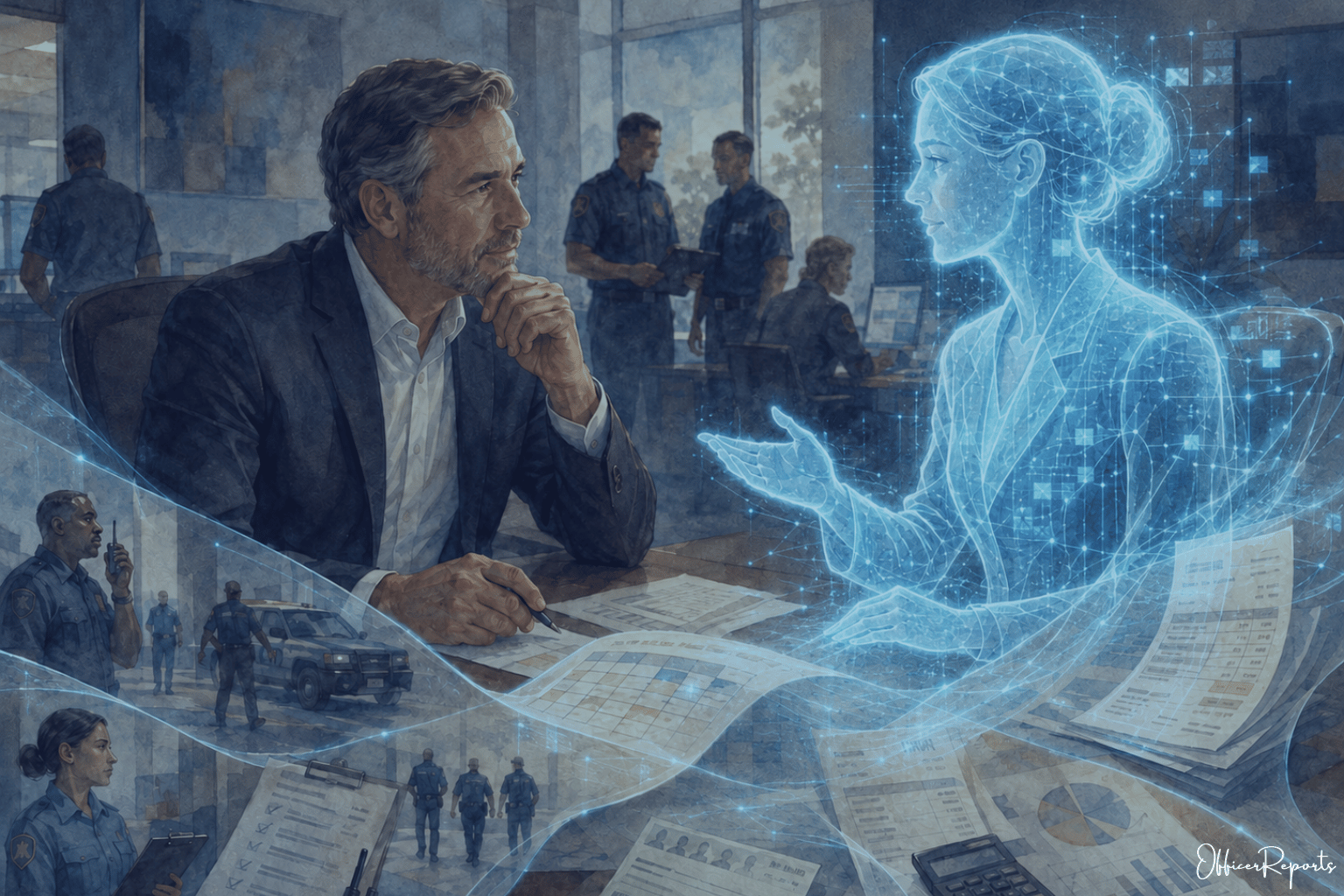
If someone who lives in the software world can be confused by the setup process, what happens when the average security company owner, manager, supervisor, dispatcher, or officer is trying to use it while also running a business, managing employees, handling client issues, covering shifts, answering calls, and putting out fires? This is especially true in the security industry.
Most people in the security industry are not software engineers. They are operators. They are owners, managers, supervisors, dispatchers, administrators, and officers. Their job is not to sit around and study software. Their job is to keep posts covered, manage officers, satisfy clients, respond to incidents, control costs, and make sure the operation runs smoothly.
They need software that makes that easier.
They do not need software that makes them feel like they need a technical certification before they can get value from it. This is where understanding the end user becomes so important. A feature might make sense in a conference room, but fail in the field. A rule might look good in a product planning meeting, but create real problems during an actual shift.
For example, consider a system that does not allow a security officer to log in unless that officer is already on the schedule. At first glance, that might sound reasonable. If an officer is not scheduled, why should they be able to log in for that post?
But anyone who understands security operations knows the answer. It’s because emergencies happen.
An officer calls off. A supervisor needs to move someone from one post to another. A manager has to slate someone at the last minute. A client needs coverage immediately. In the real world, security companies often have to make fast staffing decisions with very little notice.
If the software blocks an officer from logging in simply because the schedule was not updated first, the system is no longer helping the operation. It is getting in the way of the operation.
That is a perfect example of software that may have been designed with clean logic, but not enough real-world understanding.
The same thing applies to mobile patrols.
Imagine a mobile patrol route where an officer is assigned to check a location after the facility closes. If the facility does not close until 5:00 p.m., it does not make sense to allow the officer to check in at that location at 4:00 p.m. The officer may be physically nearby. The route may technically include that site. But operationally, the visit should not happen yet.
If the software allows the officer to complete that patrol stop before the site is ready to be inspected, the software is allowing an outcome that does not match the purpose of the patrol.
That matters.
A mobile patrol system should not just ask, “Is this location on the route?” It should also understand the operational context. Is this the right time for the visit? Is the facility open or closed? Does the check need to happen within a certain window? Would allowing an early check-in create a false sense of completion?
Those details matter because security work is full of details that are easy to miss if you have never lived inside the operation. That is why intuitive software is not just about clean screens and simple buttons. It is about building software that understands and fits how the business actually works.
When software is intuitive, users move faster and need less training. They make fewer mistakes. They feel more confident. Owners are more likely to see value because the software becomes part of the business instead of another thing they have to fight with.
But when software is confusing, adoption suffers because people avoid it. They use only the parts they understand. They create workarounds. Eventually, the software becomes something the company pays for but never fully uses. That is a failure of product design.
As a software entrepreneur, I think this is where deep customer understanding becomes so important. To build software people actually use, you either need to have walked in your customer’s shoes or you need to have an incredible depth of understanding of their companies, their employees, their daily pressures, and their operational challenges. You have to understand who is using the software.
You have to understand what they are trying to accomplish at 7:00 in the morning when an officer calls off, at midnight when an incident happens, or at the end of the month when payroll and billing have to be right.
Simplicity does not mean the software is basic. In many cases, the best software is doing very complex things behind the scenes. But the experience for the user should feel simple. The complexity should be absorbed by the product, not pushed onto the person using it. That is the real challenge.
It is easy to build software that gives users every possible option. It is much harder to build software that guides users toward the right action, presents only what they need, and makes the next step feel obvious.
In the security industry, that matters even more because adoption does not happen in a quiet office with unlimited time for training. It happens in the field. It happens during shift changes. It happens when supervisors are moving from site to site. If the software is not easy to understand in those moments, it will not get used the way it was intended.
That is why simplicity and intuition have to be at the center of product design. Not as an afterthought. Not as something to clean up later. They have to be part of the foundation.
The more I build, the more I believe that simplicity is one of the highest forms of product discipline. It requires restraint. It requires empathy. It requires saying no to unnecessary complexity. It requires looking at your product not from the perspective of the people who built it, but from the perspective of the people who have to live with it every day.
And when you get that right, everything changes.
Users feel more confident. Training becomes easier. Data becomes better. Operations become smoother. The software becomes valuable not because it is impressive, but because it is useful.
That should be the goal of every software company serving the security industry. Build something powerful enough to solve real operational problems, but simple enough that the people doing the work can actually use it. Because at the end of the day, adoption is not driven by how many features you have.
Adoption is driven by whether the software fits the reality of the business.
If you are looking for AI security guard software that is powerful enough to manage real-world operations but easy to use for your team, we invite you to try OfficerReports. Our platform was built around the way security companies operate every day, from reporting and guard tours to post orders, incident management, GPS tracking, and officer accountability. Sign up for a free trial and see how easier software can lead to better adoption, cleaner operations, and more confident teams.
By Courtney Sparkman
 Courtney is the founder and CEO of OfficerApps.com, a security guard company software provider, specializing in security guard management software, and publisher of Security Guard Services Magazine. He is a renowned author and security industry syndicator who also hosts an active YouTube channel, helping thousands of his subscribers to grow their security guard services companies.